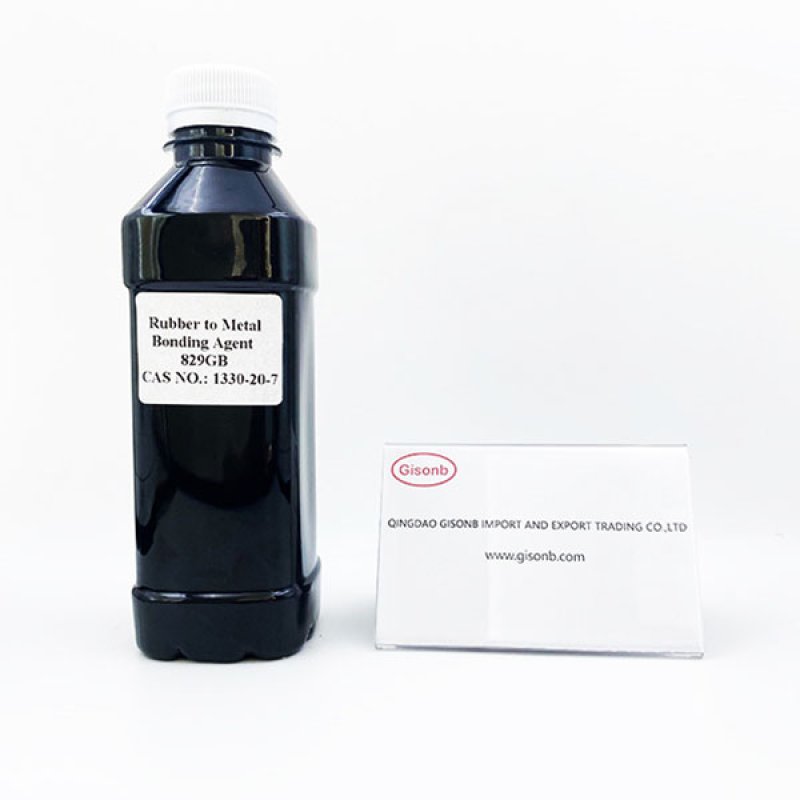
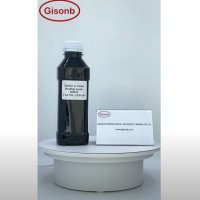
Appearance: Black liquid
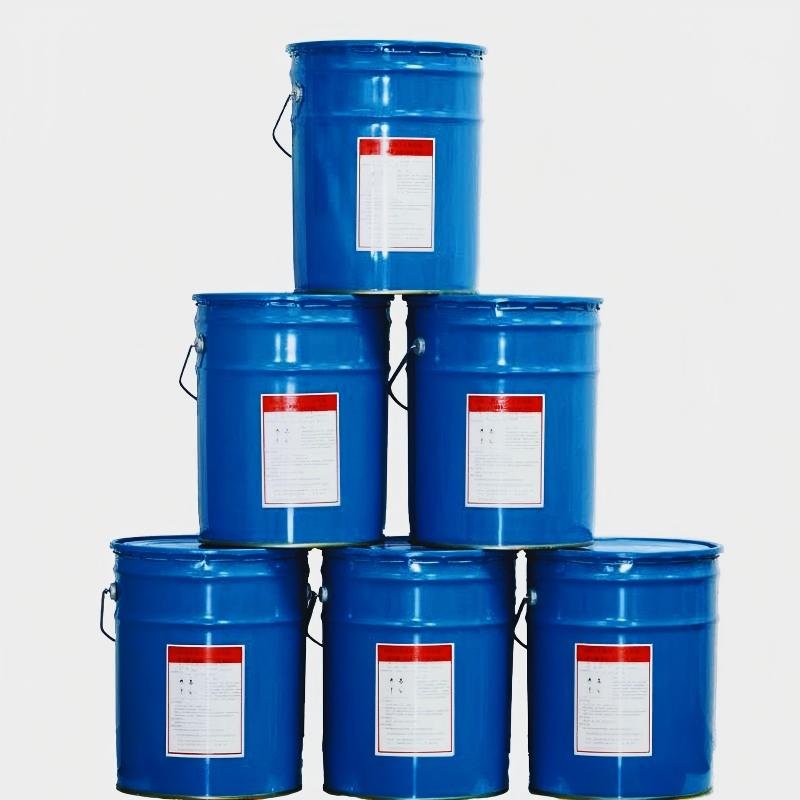
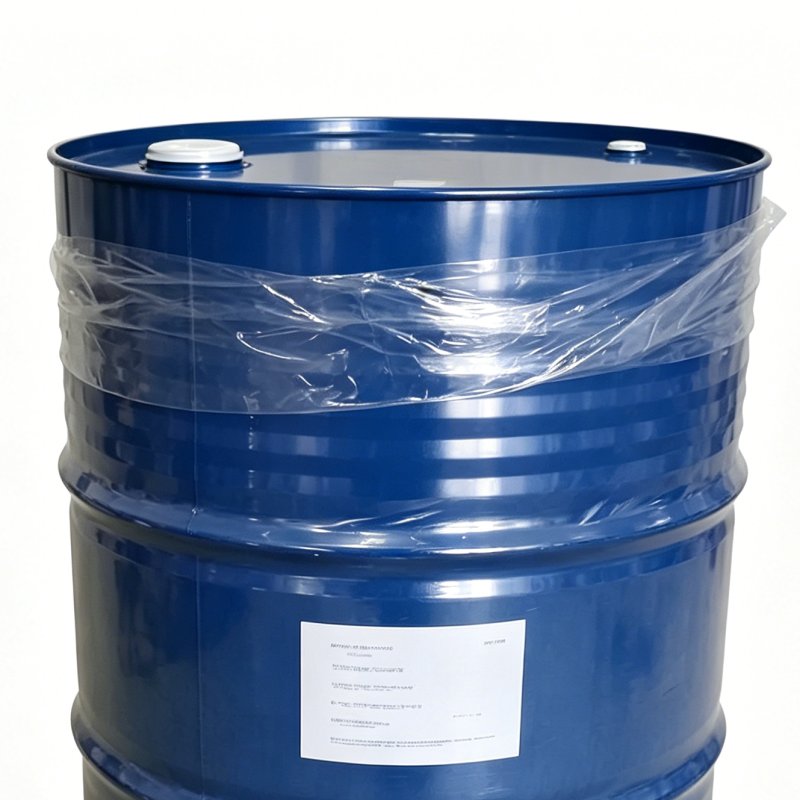
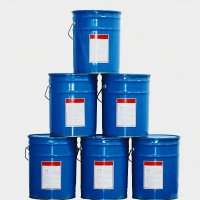
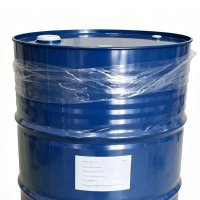
Packing: 3.5kg/drum; 18kg/drum
Shelf life: 9 months
Solubilizer: Xylene, dimethyl carbonate
DG Info: Class 3, UN 1133
Rubber to Metal Adhesive 823
Application
823 adhesive is a secondary adhesive designed for use over 815 primer. This adhesive system will bond uncuredelastomers to metals and other rigid substrates during vulcanization of the elastomer. It is formulated withoutheavy metals and composed of a mixture of polymers, organic compounds and mineral fillers dissolved ordispersed in an organic solvent system.
815 primer helps to ensure environmental resistance of the bonded assembly and adhesion to the substrate
Characteristics
l Wide Application Range–when used in combination with 815 primer, it bonds a wide variety of rubberssuch as natural rubber, SBR, neoprene, polyisoprene and polybutadiene to various metals and other rigidsubstrates.
l Environmental Friendly–formulated without heavy metals.
l Excellent Effect–provides a continuous film appearance.
Physical Properties
| Component | Polymers, organic compounds, inorganic fillers and organic solvents |
| Color | Black Liquid |
| Viscosity | @25℃, 77 ℉(Brookfield LVT Spindle 2, 30 rpm ): 70-300 cps |
| Flash Point | 25℃ |
| Dilute release agent | Benzene containing solvents such as xylene and toluene |
| Solubilizer | Xylene, dimethyl carbonate |
| Storage, Room temperature | Unopened container for 12 months |
Applying 823
n Surface Preparation: Thoroughly clean metal surfaces prior to primer application. Remove protective oils,cutting oils and greases by solvent degreasing or alkaline cleaning. Remove rust, scale or oxide coatings bysuitable chemical or mechanical cleaning methods.
nChemical Cleaning: Chemical treatments are readily adapted to automated metal treatment and adhesiveapplication lines. Chemical treatments are also used on metal parts that would be distorted by blast cleaningor where tight tolerances must be maintained. Phosphatizing is a commonly used chemical treatment forsteel, while conversion coatings are commonly used for aluminum.
n Mechanical Cleaning: Grit blasting is the most widely used method of mechanical cleaning. Howevermachining, grinding or wire brushing can also be used. Use steel grit to blast clean steel, cast iron and otherferrous metals. Use aluminum oxide, sand or other nonferrous grit to blast clean stainless steel, aluminum,brass, zinc and other nonferrous metals.For further detailed information on surface preparation of specific substrates, refer to our adhesive application guide. Handle clean metal surfaces with clean gloves to avoid contamination with skin oils.
n For most consistent bonding results, apply the 823 adhesive to 815 primed stainless steel, aluminum, brass or other nonferrous substrates. Allow primer to thoroughly dry before applying 823 adhesive. For further details on the use of 815 primer, refer to the 815 primer data sheet.
n Mixing: Thoroughly stir 823 adhesive before applying adhesive over primer. Agitate sufficiently during use to keep dispersed solids uniformly suspended.
--Depending on container, use the following recommended mixing method and duration:
--1/2 pint Hand stir, paint shaker 5-10 minutes
--1-5 gallon Hand stir and air powered mixer 15-60 minutes
--55 gallon Hand crank and air motor agitator 8 hours-new drum; continuous-opened drum
n
Applying: Apply 823 adhesive by spray, dip, brush or roll coat methods. 823 adhesive is normally used full strength for brush, roll coat and dip application. For spray application, dilute adhesive with xylene or toluene to a Zahn Cup #2 viscosity of 25-28 seconds. Dilution of 25-50% is typical.
Optimal film thickness for a particular bonded part is dependent on the rubber formulation and the level of adhesion required. Regardless of application method, use the following recommended dry film thicknesses:
815: 5.1-10.5 micron (0.2-0.4 mil)
823: 12.7-25.4 micron (0.5-1.0 mil)
n Drying: Drying at room temperature takes about 45-60 minutes, forced drying can shorten the drying time,recommended drying temperature is 60-80℃.
n Product storage: Rubber to Metal Adhesive 829GB should be stored in dry and normal temperature environment, avoid long-term exposure to high humidity and high temperature environment.
n Cleaning: Before heating vulcanization, dip a rag in xylene solvent to remove excess treatment agent spilt around. Once cured, solvent cannot be removed.
n Vulcanization: Vulcanization of rubber and adhesive at the same time can obtain the best bonding properties. When the coating is placed in the molding mold, it should be quickly filled with rubber vulcanization. The actual curing condition depends on the curing condition of the rubber.
Notes
l Rubber to Metal Adhesive 823 is volatile, please close the container after use.
l Solvent steam is harmful, pay attention to fire prevention in the workplace, pay attention to low ventilation, prevent long-term inhalation or long-term skin contact.
l Please refer to SDS for more safety information.

Room 604, Office Building 1, No. 166, Zhengyang Middle Road, Chengyang District, Qingdao
Telephone: +86-532-82693198
Mobile number: +86-15275281902
Email: louis.liu@exceedchemical.com
Skype: louis. liu924
Copyright © 2023 Gisonb Import And Export Trading Co.,Ltd., Powered by HiCheng
(Sitemap)